Understand the difference. Make it stick.
Authors of Thieme’s A-WIN review · Academic hospitalists
Read a topic. Answer the questions that test it, right away. Then spaced review brings each question back just before you’d forget it, all the way to exam day.
Free for everyone; sign in to save your progress. Biostatistics is live. Cardiology is next. Already have an account?
Founding offer: the first 500 students who get every chapter free as it’s released.
- CardiologyHeart failure: reduced or preserved EF?
- NeurologyWeakness: upper or lower motor neuron?
- BiostatisticsScreening: sensitivity or specificity?
| Goes up | Goes down |
|---|---|
| Sensitivity, NPV | Specificity, PPV |
- A. Specificity
- B. Positive predictive value
- C. Sensitivity✓ Correct
- D. Prevalence
- Internal Medicine
- Surgery
- Pediatrics
- Obstetrics and Gynecology
- Psychiatry
- Neurology
- Family Medicine
- Emergency Medicine
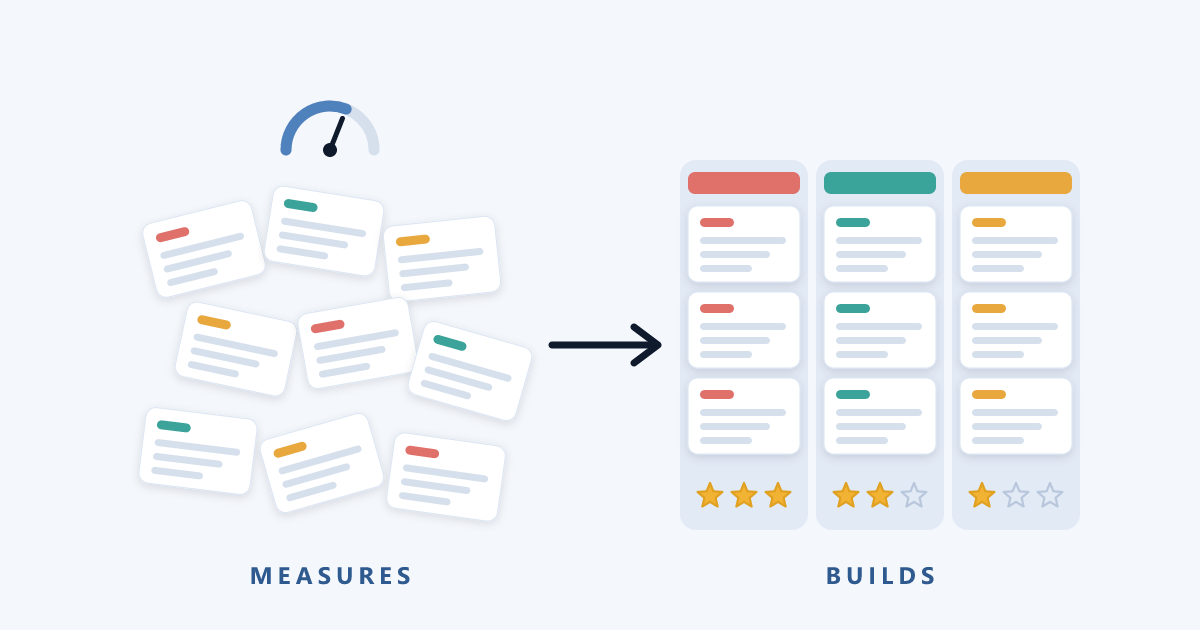
Your Qbank measures. Your study system builds.
A random block shows you what you know today. Every question teaches a little, but the facts land in random order, and nothing brings them back before they fade.
Pradis is the system around your Qbank: each set of look-alikes taught once, practiced right away, and brought back on a schedule set to your exam date.
Read the article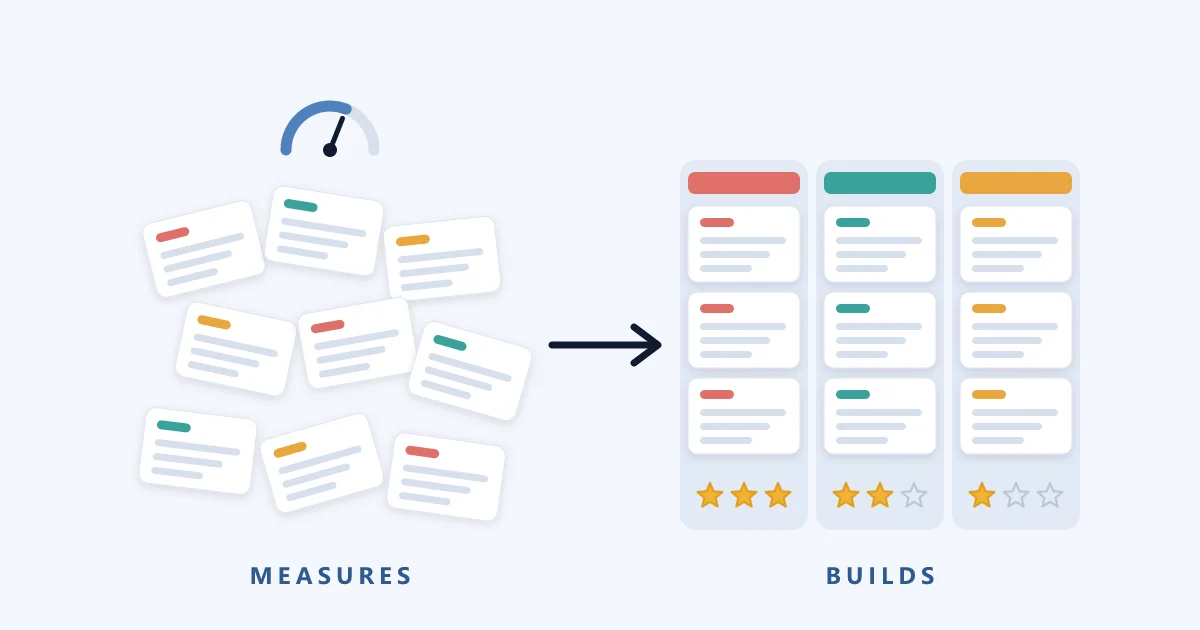
Read it. Practice it. Bring it back.
One cycle for every topic, built the way the exam asks: as a choice between look-alikes.
Read the topic
Short topics built around look-alikes: what they share, the one finding that splits them, and the trap the question writer sets. Learn the logic first; review locks in the details.
Open the Biostatistics bookAnswer a few questions
Usually one to three questions on exactly the distinction you just read, while it’s fresh. You find out whether you understood the differentiator or only recognized it on the page.
Bring it back
Days later each question returns on its own. Three sure, correct answers on different days, with a longer gap each time, and it’s mastered.
Two directions. One text.
Each teaching point lives in one place. Review starts cold, with the question, the way the exam does, and Learn it opens the exact topic you studied, in the same words.
The unit of study is the distinction.
What are the look-alikes?
The diagnoses that will sit beside it in the answer choices.
What separates them?
The finding, test or time course that splits them.
Where is the trap?
What makes the wrong answer attractive, and the wording that sets it up.
The dizzy patient
- Look-alikes
- BPPV, vestibular neuritis, posterior circulation stroke
- What separates them
- Timing and the head impulse test. BPPV lasts seconds and is set off by head position. Vestibular neuritis is constant for days, with an abnormal head impulse test.
- The trap
- In constant vertigo, a normal head impulse test sounds reassuring. It isn’t: it points to a central cause such as a stroke.
Your exam-day plan
Set your exam date, and every review is planned to land before it.
- ☆☆☆New question
- ★☆☆First answer
- ★★☆5 days later
- ★★★About 3 weeks later: mastered
Sooner when your exam is close. Three stars mark a review milestone, not exam readiness.
- 1
A clear next step each day
Start with today’s scheduled reviews, then learn new questions. Extra reviews are optional, and you can browse topics whenever you want.
- 2
Reviews that tighten as the exam nears
Gaps grow as a question earns stars, but never past half the study days left, so close to the exam reviews come every few days.
- 3
A final check, weakest first
The final check revisits earlier questions, weakest first, with time reserved for follow-up reviews. Coverage depends on when you start and how often you study. Your last 2 days are kept free.
- 4
“Needs refresh” flags
Miss a mastered question and it’s flagged and back the next day. Two sure, right answers make it mastered again.
Illustrative example, not real user data.
Keep it. Pradis is the system around it.
Your Qbank
Test what you know under exam conditions
- Mixed and timed blocks
- Stamina and the exam format
- An honest check of how ready you are
- Gaps you didn’t know you had
Pradis
Build the distinctions and keep them
- Topics taught as look-alikes
- A few questions right after each concept
- Spaced review to three stars
- Every review planned before your exam date
Learn and keep the distinctions in Pradis, then test them under exam conditions in your Qbank.
One plan. Everything you need to study smarter.
Free now, plus 12 months after launch
Limited to the first 500 members who claim a spot. No card needed. Every chapter is yours free as it’s released. When the last chapter is out (that’s launch), your free year starts. After that, $25/month.
- Every chapter as it’s released, with an explanation for each question
- Tables, flowcharts and mnemonics built for the exam format
- Spaced review to three stars, planned around your exam date
- A reminder email if reviews pile up, at most one a day
- Progress by chapter and topic: mastered, needs refresh and due today
- Each chapter reviewed against current US guidelines before release
Not sure yet? Practice Biostatistics free, no account needed.
Every chapter, as it is released.
We aim to release a new chapter every two weeks after review. 1 of 25 chapters is live.
Available
- BiostatisticsLive since Oct 12, 2026
Next
- CardiologyNext
Planned
- PulmonologyPlanned
- GastroenterologyPlanned
- NephrologyPlanned
- Acid Base DisordersPlanned
- Infectious DiseasePlanned
- EndocrinologyPlanned
- HematologyPlanned
- Preventive MedicinePlanned
- NeurologyPlanned
- RheumatologyPlanned
- Allergy and ImmunologyPlanned
- DermatologyPlanned
- Emergency MedicinePlanned
- OphthalmologyPlanned
- Ear, Nose and ThroatPlanned
- EthicsPlanned
- Disorders of Sexual DevelopmentPlanned
- ObstetricsPlanned
- GynecologyPlanned
- Male ReproductionPlanned
- PediatricsPlanned
- PsychiatryPlanned
- General SurgeryPlanned

Written by academic hospitalists, built on their book.
Manoj Gurung, MD and Yayra Musabek, MD wrote A-WIN, Thieme’s compact Step 2 CK review, and built Pradis on the same idea: comparison tables, flowcharts and memory hooks that make similar conditions easier to tell apart. The book has about 600 of them.
Assistant Professors of Medicine, Warren Alpert Medical School of Brown University · Academic hospitalists, Kent Hospital, Rhode Island
“…the use of tables is very beneficial in these chapters. It allows the reader to easily compare and contrast differing pathologies, and seeing important differences in presentations, labs, etc.…”
“…Important and highly tested points are emphasized, pathologies are easy to compare and contrast, and a clear emphasis on diagnostic workup and appropriate treatment is evident.…”
How shelf mastery is built

A single secret to improving your “test-taking skills” and acing Shelf exams and USMLE.
How to ace Shelf Exams and USMLE Series
Your Qbank Measures. Your Study System Builds.
How to turn questions into lasting shelf exam mastery

10 common mistakes when preparing for the shelf exams and USMLE
How to ace Shelf Exams and USMLE Series
Frequently asked questions
What is the founding member offer?
Free now, plus 12 months after launch. The first 500 students who claim a founding spot before launch get every chapter free as it’s released. The free year starts at launch, the day the last chapter goes live. Signing in alone doesn’t claim a spot: sign in with Google, then tap “Claim a founding spot” under Pricing on this page. No card is needed. If you tick “Email me when a new chapter goes live”, we’ll email you as each one is released. After your free year the plan is $25/month.
Does this replace my Qbank?
No. Use your Qbank to practice the exam, and Pradis to work through the confusing distinctions and come back to them.
How does spaced review work?
Every question you answer comes back on a schedule. Answer it correctly at three scheduled reviews (your first answer, 5 days later, about 3 weeks after that, or sooner when your exam is close or you review ahead) and it’s mastered. Miss it, and it comes back tomorrow.
Can I skip the third review if I know the question?
Yes. After two correct spaced answers on different days, choose “I’m confident — skip further reviews”. The item leaves regular reviews and remains eligible for your final check. It is shown as excluded from reviews rather than three-star mastered. You can undo this choice.
What do three stars mean?
You answered correctly at three spaced reviews. Mastered questions still come back now and then, and a later miss marks the question “Needs refresh.”
Will you email me?
A short reminder if reviews pile up while you’re away, plus the occasional progress update. Never more than one a day, and you can turn them off in one click.
Does every question come back before my exam?
The final check revisits questions you have started, weakest first. It cannot guarantee complete coverage: that depends on your exam date and study sessions. Pradis warns you when the remaining check will not fit. Your last 2 days are kept free.
Is it Step 2 CK only?
Yes. Pradis is written for USMLE Step 2 CK and the clinical shelf exams.
Can I try it before I pay?
Yes. Biostatistics is free for everyone, no account needed. Sign in to save your progress.
Who writes the content?
Manoj Gurung, MD and Yayra Musabek, MD, academic hospitalists and the authors of the Thieme A-WIN review book.
Start with Biostatistics. It’s free.
No account needed. Sign in when you want your progress saved and your reviews scheduled.
Get in touch
Send us a question or feedback. We’ll get back to you soon.
Portions of Pradis are adapted from Thieme Review for the USMLE: A WIN for Step 2 and 3 CK (Thieme, 2021) by Manoj Gurung, MD, and Yayra Musabek, MD, used with permission.
© 2026 Pradis.us